
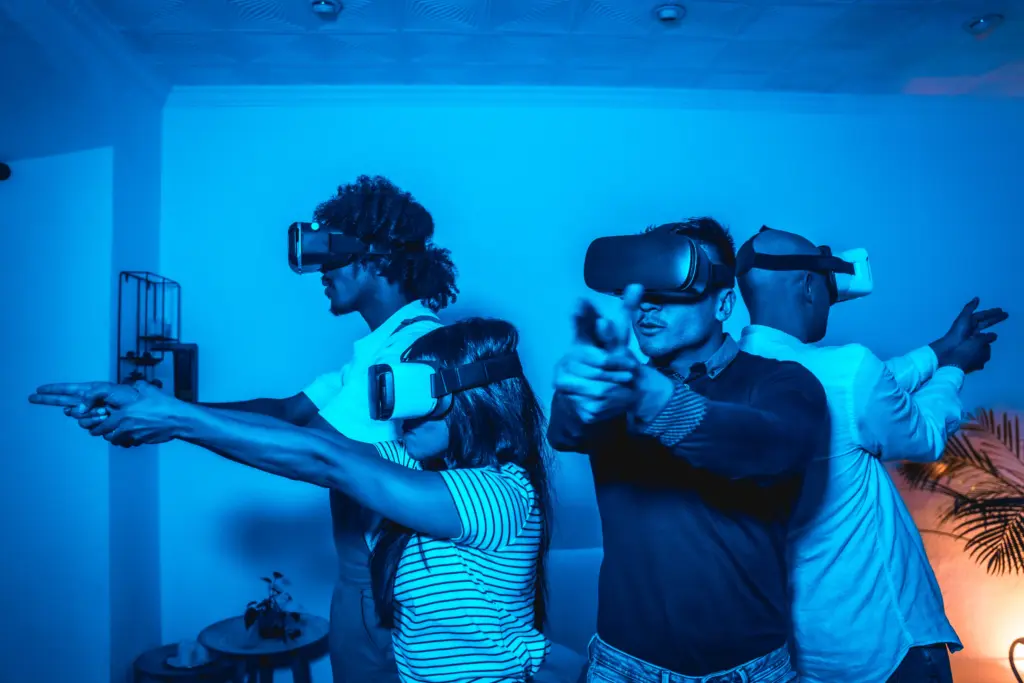
Immersive escape rooms have redefined the boundaries of interactive entertainment, offering participants more than just puzzles and locks. They transport players into alternate realities where storylines, environments, and emotions converge into a single, unforgettable adventure. While lighting, sound, and set design have long been considered the backbone of immersion, a new dimension is gaining traction: the power of smell.
In this article, we will explore how scents influence the player experience, why smell is a critical element in project immersive escape rooms, and how technology such as scent generators for escape rooms is transforming immersion into a truly multi-sensory journey.

Smell is one of the most powerful senses when it comes to memory and emotional engagement. Neuroscience shows that the olfactory system has a direct link to the brain’s limbic system, which governs emotions and memory. This makes scents uniquely effective in enhancing immersion.
In an immersive escape room, a carefully chosen scent can:
Unlike visuals or sounds, which can sometimes feel staged, scents bypass rational filters and go straight to the subconscious, making them a subtle yet powerful immersion tool.
To elevate a project beyond puzzles, escape room scents can act as narrative cues. Imagine walking into a dark chamber where a sudden whiff of iron suggests blood before you see anything. Or a futuristic lab where the sterile smell of antiseptic hints at hidden dangers.
These olfactory details enhance realism by:
Scents allow designers to add narrative depth without extra props or dialogue, enriching immersion in ways players may not consciously realize.
To deliver consistent and safe olfactory effects, many designers now rely on scent generators for escape rooms, devices that disperse controlled bursts of fragrance at precise moments to ensure players experience the intended aroma without overwhelming the environment. These advanced systems allow creators to program timed releases aligned with puzzles or narrative milestones, regulate intensity to prevent sensory overload, and switch seamlessly between multiple scents as the storyline evolves.
Thanks to this technological integration, escape room projects can rival cinematic experiences, where every detail, including what participants smell, feels authentic and contributes to deeper immersion.
A successful project immersive escape room doesn’t just rely on visuals and puzzles. The most memorable experiences are multi-sensory. When combined strategically, lighting, sound, touch, and especially smell create a holistic world where players forget they are inside a game. Some practical applications include:
By weaving scents into the design process from the beginning, escape room creators can ensure a richer and more believable environment.
The role of smell in immersive escape rooms is still evolving, but its potential is undeniable. Just as virtual reality expanded visual immersion, scent technology is now enhancing sensory immersion by engaging players on a deeper emotional level.
In the coming years, we can expect more sophisticated multi-scent systems capable of rapid transitions, seamless integration with AI-driven narratives that release fragrances dynamically, and even personalized scent profiles designed to heighten individual player engagement. As designers continue to experiment with these innovations, escape room scents are set to become a standard feature in high-end projects, raising the bar for what true immersion really means.
For creators planning their next project immersive escape room, incorporating olfactory elements isn’t just an option, it’s a competitive advantage. With the help of scent generators for escape rooms, designers can unlock the full potential of multi-sensory storytelling, making the difference between a good experience and an unforgettable one.
Want to know more about it? Contact us!