
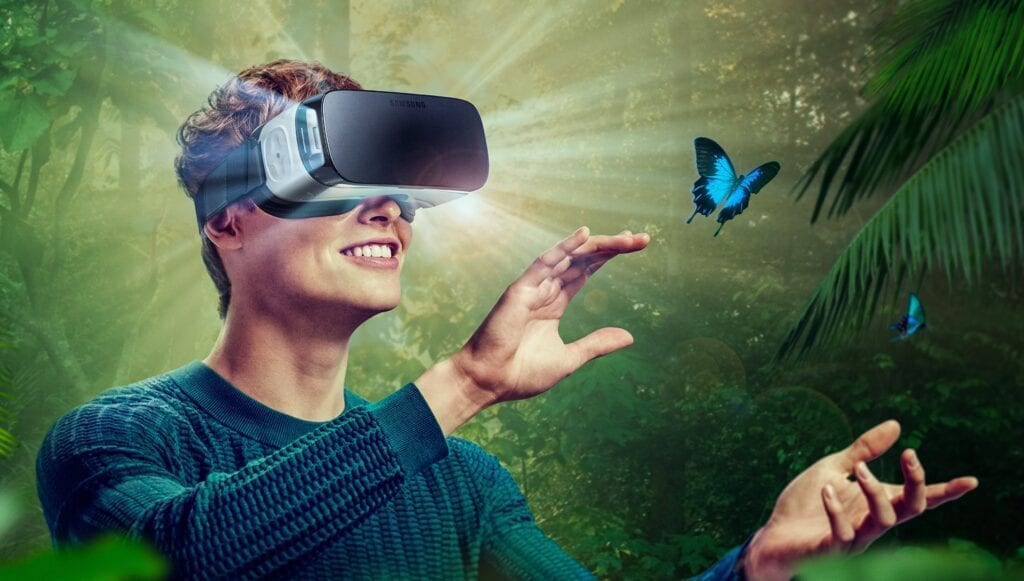
In recent years, the term Virtual Reality (VR) has become a central topic in tech blogs, media outlets, and innovation showcases. But what exactly is VR? And how do modern VR setups transport you from your living room into a fully immersive world, sometimes even one you can smell?
At its core, Virtual Reality is a multisensory simulation designed to feel incredibly real. A standard VR setup includes a head-mounted display (HMD), motion-tracking sensors, and sometimes hand controllers or haptic devices. However, cutting-edge VR technology is going further by adding scent to the experience, introducing the concept of VR smell.
This development is a game-changer for smelly VR experiences, where users don’t just see or hear a virtual world, they also smell it. Imagine walking through a virtual forest and sensing the fresh scent of pine, or stepping into a virtual reality theme park and smelling popcorn in the air. These kinds of olfactory immersion in exhibitions and entertainment venues are already being tested worldwide.
Most VR systems create immersive experiences by combining 3D visuals, spatial audio, and real-time motion tracking. The headset displays life-sized images that adjust with your head and eye movements, while controllers and sensors let you interact with the virtual world naturally.
But smell in virtual reality adds an entirely new layer of realism. Companies are developing devices that release scents synchronized with VR content, enhancing emotional engagement and memory retention. Studies show that scent is closely linked to emotional responses, making VR smell a powerful tool for marketers, educators, and game developers.
In virtual reality theme parks, for example, adding smelly VR components can make roller coaster rides feel more authentic by introducing smells like burnt rubber or fresh rain. Similarly, museums and art installations are experimenting with olfactory immersion in exhibitions to deepen visitor engagement.
As VR technology evolves, the goal is to create fully immersive environments that engage all senses, not just sight and sound. Developers are experimenting with tactile feedback, temperature simulation, and now, VR smell integration.
This multisensory future has huge potential. Smell virtual reality could revolutionize not just gaming and entertainment, but also healthcare, therapy, marketing, and education. Imagine training firefighters in a virtual environment that includes the realistic smell of smoke, or attending a virtual cooking class where you can actually smell the food.
Some may view smelly VR as a novelty, but in fact, olfactory immersion in exhibitions and VR experiences taps into one of the most powerful senses tied to human memory and emotion. By incorporating smell, VR setups become more engaging, more memorable, and more realistic.
As these technologies become more accessible, we can expect to see VR smell features integrated into mainstream VR products, making smell virtual reality a key part of future digital experiences.
Whether you’re a gamer, educator, entrepreneur, or simply curious about tech trends, exploring the possibilities of VR smell is an exciting frontier. The next generation of VR setups won’t just show you new worlds, they’ll let you smell them too.
So next time you step into virtual reality, ask yourself: How long before we can not only see and hear the metaverse, but fully experience it with all five senses?
Describe your project here and we will respond your questions within 24 hours.
(don’t worry, we won’t send you spam …)
Añada su kit al carrito e introduzca este código: