
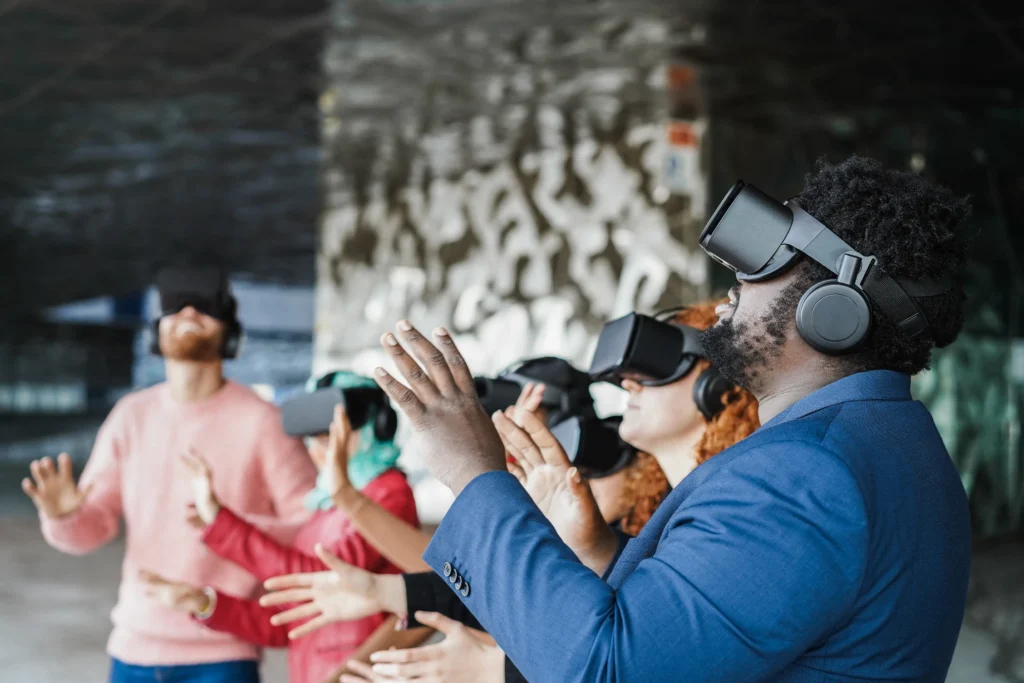
In recent years, 4D effects have revolutionized the way audiences experience films, turning passive viewing into a full-body, emotional, and multi-sensory event. With the integration of motion seats, vibrations, wind, light, and increasingly, smell, the 4D effect has become a cornerstone of effect cinema 4D. But how do we craft these experiences effectively to truly move audiences; both emotionally and physically?
This article explores how to create a high-impact 4D effects experience by understanding audience empathy, optimizing motion design, and crucially, harnessing the evocative power of smell.

4D effects are physical stimuli synchronized with on-screen content to intensify viewer immersion. These include:
Studies show that emotional engagement is central to how audiences evaluate films. Designing 4D effects that align with audience emotions, especially fear, joy, surprise, or empathy, can significantly elevate the cinematic experience.
Research has revealed that empathy levels influence how viewers react to motion effects. For example, viewers with high empathy reported increased emotional intensity when exposed to subtle motion cues like short, low-amplitude chair tilts. These findings indicate that well-calibrated motion effects can amplify narrative tension or emotional resonance.
Smell is a uniquely powerful tool in the realm of 4D effects, and yet it is often overlooked in favor of more obvious sensory stimuli like motion or light. However, neuroscience reveals that smell is directly wired to the brain’s limbic system, which governs both memory and emotion. This gives it unparalleled potential to enhance storytelling in effect cinema 4D.
Unlike visual or auditory information, which must be processed by multiple brain regions, scents are processed almost instantaneously. A single whiff can evoke vivid memories, heighten emotional responses, and even alter mood states. In the context of a movie, this means that a strategically released scent can intensify a viewer’s immersion and engagement in a way that no other stimulus can.
Moreover, the temporal nature of smell, its ability to linger subtly or vanish quickly, makes it an ideal medium for emotional pacing. Just like a soundtrack, scent can rise and fall with the action, creating an invisible but powerful narrative thread.
When integrated thoughtfully, olfactory effects become much more than atmospheric enhancements; they act as emotional triggers, capable of reinforcing plot points, deepening character empathy, and creating lasting cinematic memories.
In effect cinema 4D, where audience immersion is the ultimate goal, smell functions as a critical sensory layer that supports storytelling and psychological engagement. Its impact goes beyond novelty: smell can be used with precision to serve the narrative and evoke specific psychological responses.
Familiar scents can instantly transport viewers to a time or place in their personal memory. This creates a deep emotional context that reinforces the on-screen story, often without the viewer even realizing why they feel so connected. In romantic or coming-of-age scenes, these nostalgic scents can add incredible emotional depth.
Environmental smells like salty ocean breeze, burnt rubber, gunpowder, or fresh rain make scenes feel more authentic and grounded. When the environment in the film becomes something the audience can smell, not just see or hear, the illusion of reality is greatly amplified. For action-packed scenes, horror sequences, or natural landscapes, this added realism helps dissolve the barrier between viewer and screen.
Smells can also function as subtle narrative signals. A sudden unpleasant odor, such as rotting wood or smoke, can foreshadow danger or decay, triggering a visceral emotional reaction. Similarly, a clean or sweet aroma can signal safety, purity, or comfort. These cues, delivered through scent, can enhance tension, guide audience expectations, and even influence how characters or scenes are perceived.
By embedding olfactory cues into 4D effect sequences, creators can synchronize sensory input with emotional arcs, effectively shaping audience interpretation on a subconscious level.
Successfully integrating scent into a 4D effects experience requires more than simply releasing aromas at random points during a film. To truly enhance immersion and emotional impact, olfactory cues must be thoughtfully designed and precisely timed.
Below are some of the most effective strategies for implementing olfactory 4D effects in a way that supports narrative flow and strengthens audience engagement.
Smell must be used strategically, not just as a gimmick but as a narrative amplifier that complements other 4D effects.
As cinema 4D continues to advance, the next generation of 4D theaters is poised to offer increasingly personalized and emotionally intelligent experiences. Future innovations may include personalized scent delivery systems capable of targeting individual seats, allowing for customized olfactory effects that align with each viewer’s preferences or sensitivity levels.
In parallel, AI-driven motion algorithms could dynamically adapt chair movements and environmental cues based on real-time audience reactions, creating a more responsive and immersive narrative flow.
Furthermore, the integration of biofeedback technology, such as monitoring heart rate or facial expressions, may enable 4D systems to adjust sensory effects in direct response to a viewer’s emotional state. These advancements reflect a broader shift in the industry: a move toward deeply empathetic storytelling that uses every available sensory channel to forge meaningful connections with audiences.
Ultimately, the future of 4D effects lies not just in spectacle, but in emotional precision, psychological insight, and immersive storytelling design.
To achieve a compelling 4D effects experience, designers must go beyond technical spectacle. Emotionally intelligent motion design, paired with the deeply evocative power of smell, creates an immersive storytelling medium that moves, shakes, and even scents the soul. By combining cognitive science with creative engineering, the full potential of 4D effect cinema can be realized.